
Most broadband deals currently sold in the UK come with a 24-month contract.
However, if you need a shorter-term temporary internet plan, including on a rolling monthly contract, these tariffs do exist if you know where to look.
Quick summary


Contents
Temporary broadband deals
There are currently two major broadband providers that offer rolling monthly broadband deals in the UK, and a few more that have 12 month contracts on offer.
In addition to this, there are some mobile broadband options it’s worth looking at if you want to get online for just a few months or so.
1. Three 5G Hub 1/12 Month Deals
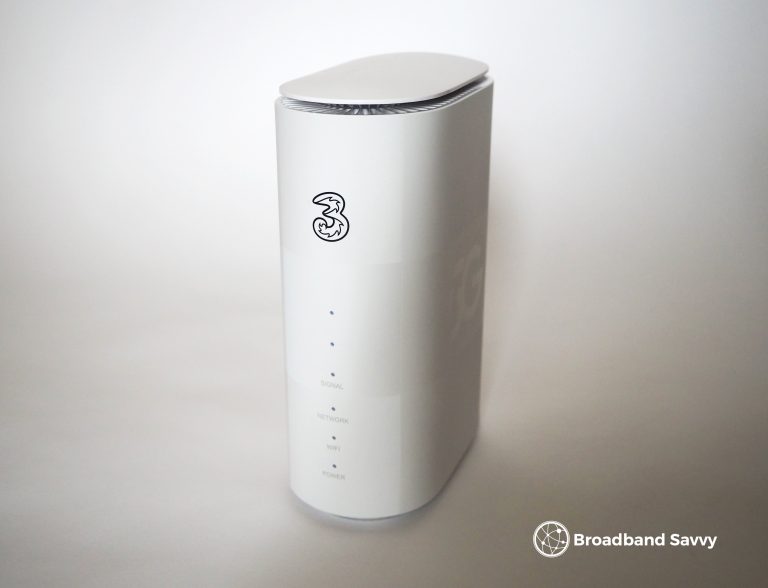
For most people, we think the Three 5G Hub is the best way to get a temporary internet connection in the UK.
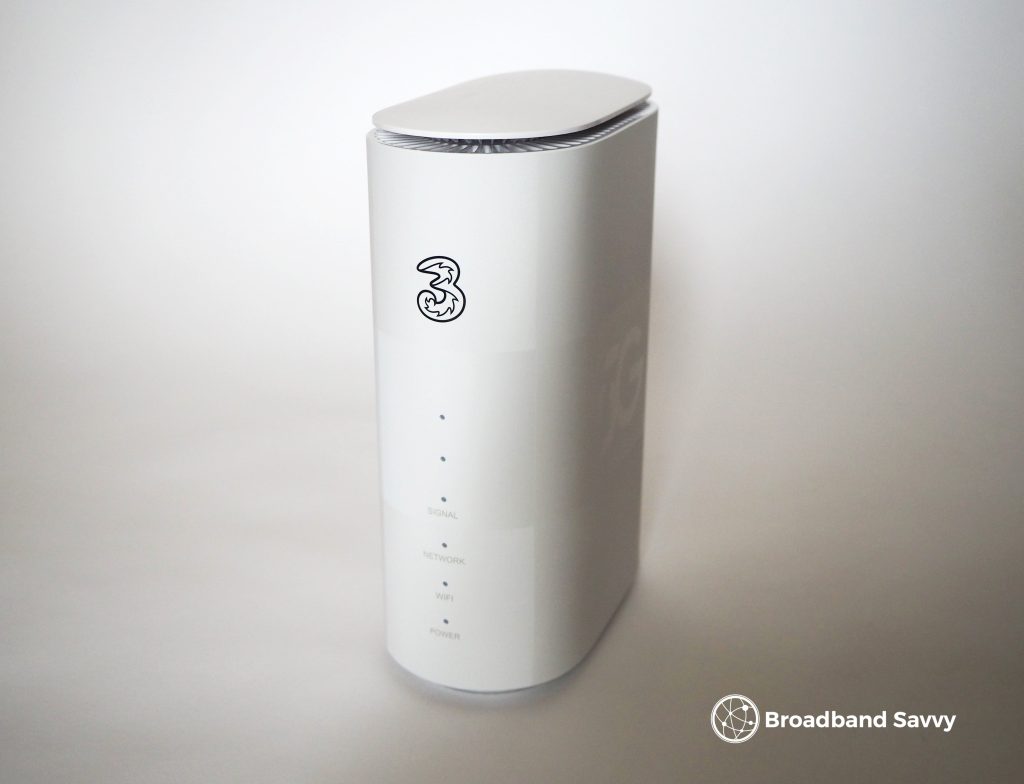
This is a 5G home broadband deal you can buy on a 1 month or 12 month contract most of the time, rather than just the default 24 month plan.
Instead of relying on fibre broadband infrastructure, this router connects to the internet using the mobile network, making it very easy to set up, with no technician visit needed to get started.
When the box arrives in the mail, you just insert the included SIM card into the router, and plug it into power. It then connects to 4G or 5G, and creates a WiFi hotspot you can use to access the internet.
It’s actually portable enough that you can unplug it and take it anywhere else in the UK you want to get online, as long as you can get at least 4G mobile signal. But the 5G Hub still functions just like any other WiFi router, allowing you to connect basically any type of device to the hotspot.
The 5G Hub offers download speeds of around 300-500 Mbps from our testing, which is plenty for most families, and it also has a 30-day return policy, allowing you to test it out and make sure it meets your needs as a short-term way of getting online.
On the whole, for a stopgap solution, the Three 5G Hub is basically unbeatable – and Three’s similar 4G Hub device is also quite good if you can’t get 5G signal in your area (you can find this out on their home broadband coverage checker).
Pros
- 1 month and 12 month deals on offer most of the time.
- Fast download speeds.
- Easy to set up.
- Portable, convenient solution.
Cons
- N/A – as long as the short-term deals are currently available, this is the best short-term internet solution currently in our opinion.
2. Virgin Media No Contract Broadband
Virgin Media is basically the only major fibre provider to offer rolling monthly contracts at the moment.
It is worth knowing though, these deals are very expensive.
There’s no setup fee on Virgin’s no-contract deals, which is good, but the monthly costs are about double the cost of their regular 24-month plans.
If it’s just for a few months though, and you want a reliable, fixed-line broadband connection, Virgin Media is a great choice, if they’re available on your street.
Their Hub 5 router offers good WiFi performance, and Virgin have made significant improvements to their customer service recently.
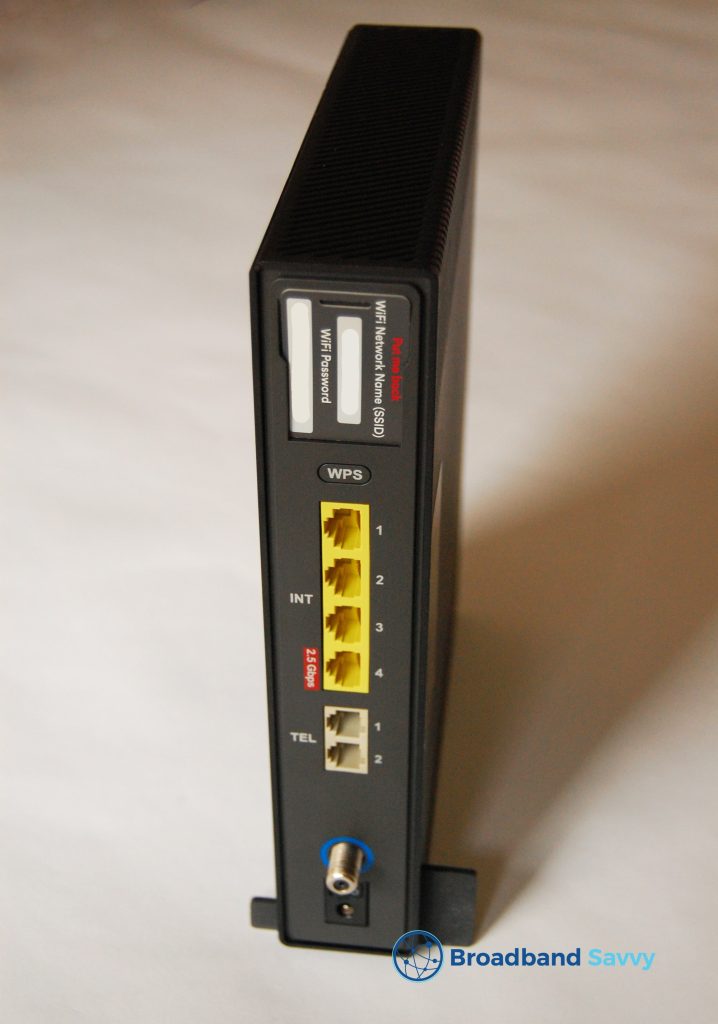
Apart from their pricing, the main downside to Virgin is they’re not available nationwide, and their monthly rolling deals are not available in new full fibre infrastructure areas.
If you type in a postcode in one of these new deployment locations on their short-term deals page, Virgin Media will say “These deals are currently unavailable in your area” and show you their 24 month plans instead.
Virgin Media is still worth checking out though if you absolutely need a 30-day contract, especially if you want to use fixed-line broadband rather than 4G or 5G.
Pros
- Monthly rolling deals available, which is rare from a fibre provider.
- Fast, stable speeds.
- Good WiFi router.
Cons
- Not available everywhere on the Virgin Media network.
- Very high monthly costs.
3. Three 5G MiFi
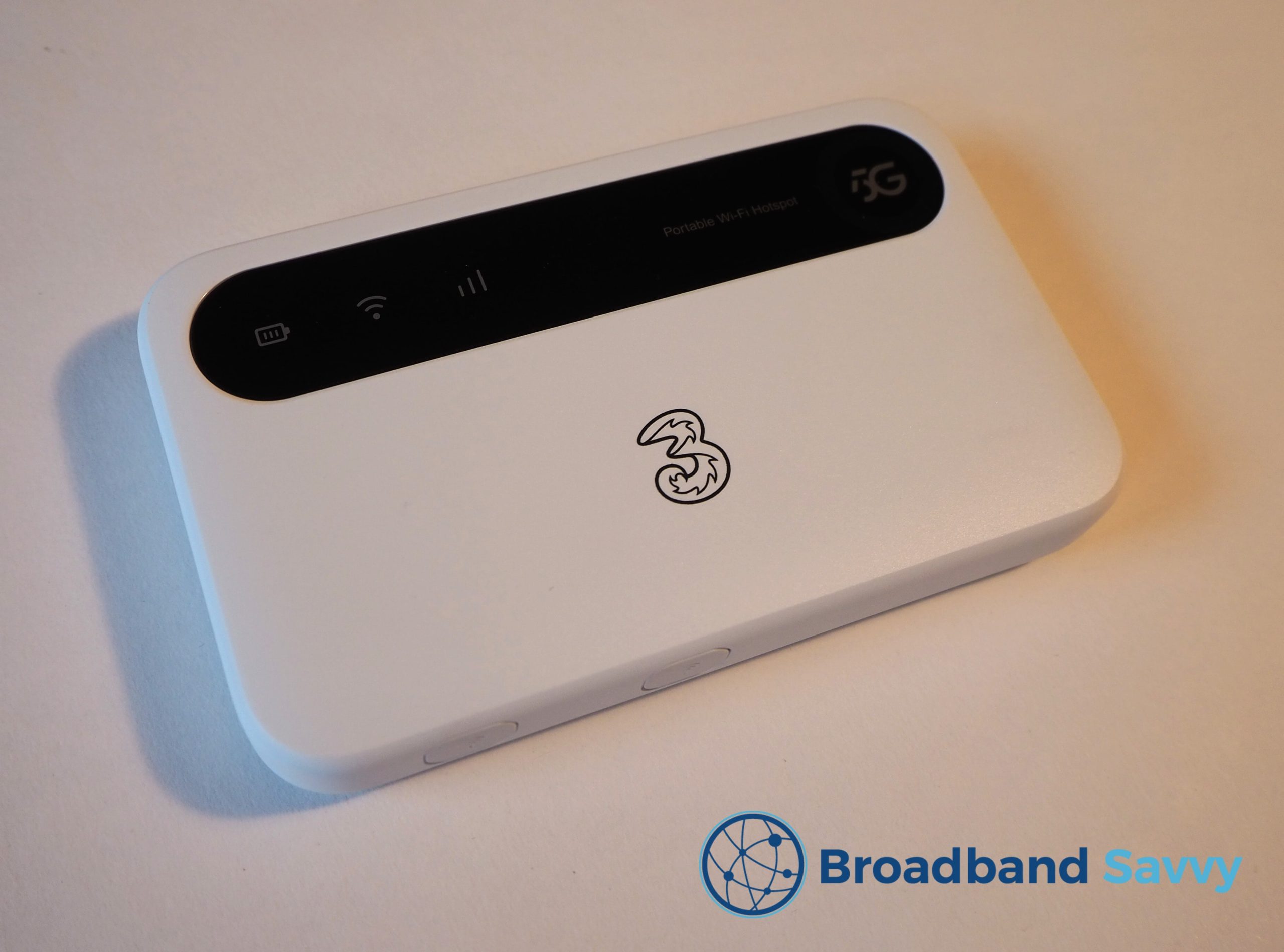
As well as their 5G router, Three also offers a 5G mobile WiFi (MiFi) device available on a rolling monthly contract.
Just like the 5G Hub, this gadget takes a SIM card, which is included when you buy, and comes with an unlimited data plan from Three.
But rather than plugging into mains power, the ZTE U50 comes with a battery, making it a more simple, more portable solution.
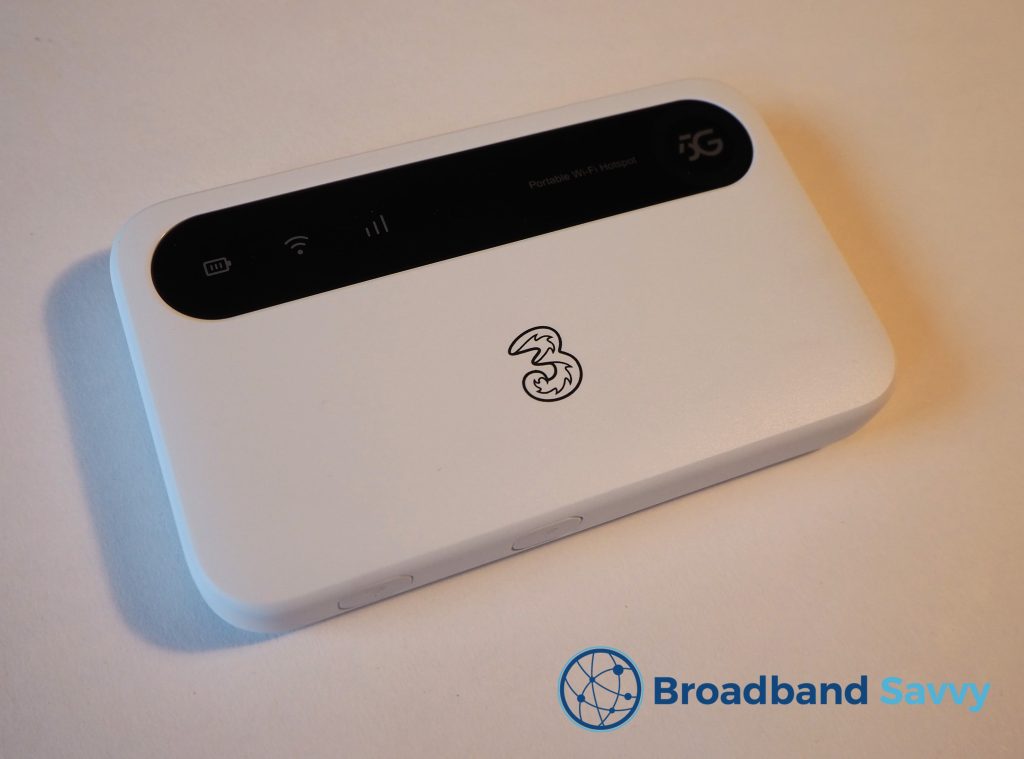
You just need to insert the SIM and battery into the device to set it up, and you can recharge it with the included USB-C cable, or keep it plugged in all the time if you’d prefer.
The device will connect to 4G or 5G, depending on what is available, then create a WiFi hotspot you can use to get online on multiple laptops, phones, smart TVs, and other devices at once.
The reason we normally recommend the 5G Hub over this mobile broadband device is, the proper router offers better WiFi signal and speeds, especially over distance, and especially with multiple devices on the hotspot at once.
However, we still got download speeds of 100-150 Mbps when testing this MiFi device, which is plenty for most smaller households.
One issue with Three 5G MiFi is that the upfront cost is quite high if you choose the 1 month contract. 5G tech is still quite expensive, and since you’re not committing for a long time, the initial cost is quite high on these 30-day plans.
In this case, there is also a 4G MiFi device from Three, which is considerably cheaper, but only offers download speeds of 30-40 Mbps.
Pros
- Fast download speeds.
- Easy to set up and begin using.
- Flexible rolling monthly plans on offer.
Cons
- Expensive on a 1-month deal.
4. EE Broadband 12 Month Deals
Unlike Virgin Media’s short-term deals, EE’s offers are available throughout almost the entire country.
The catch is, the minimum possible contract length is 12 months, rather than 30 days.
On the plus side though, EE’s short-term broadband deals are a lot cheaper than Virgin Media’s, and they offer faster maximum download speeds.
EE’s tech is also really good, providing WiFi 7 routers to new customers by default on all of their different plans at the moment.
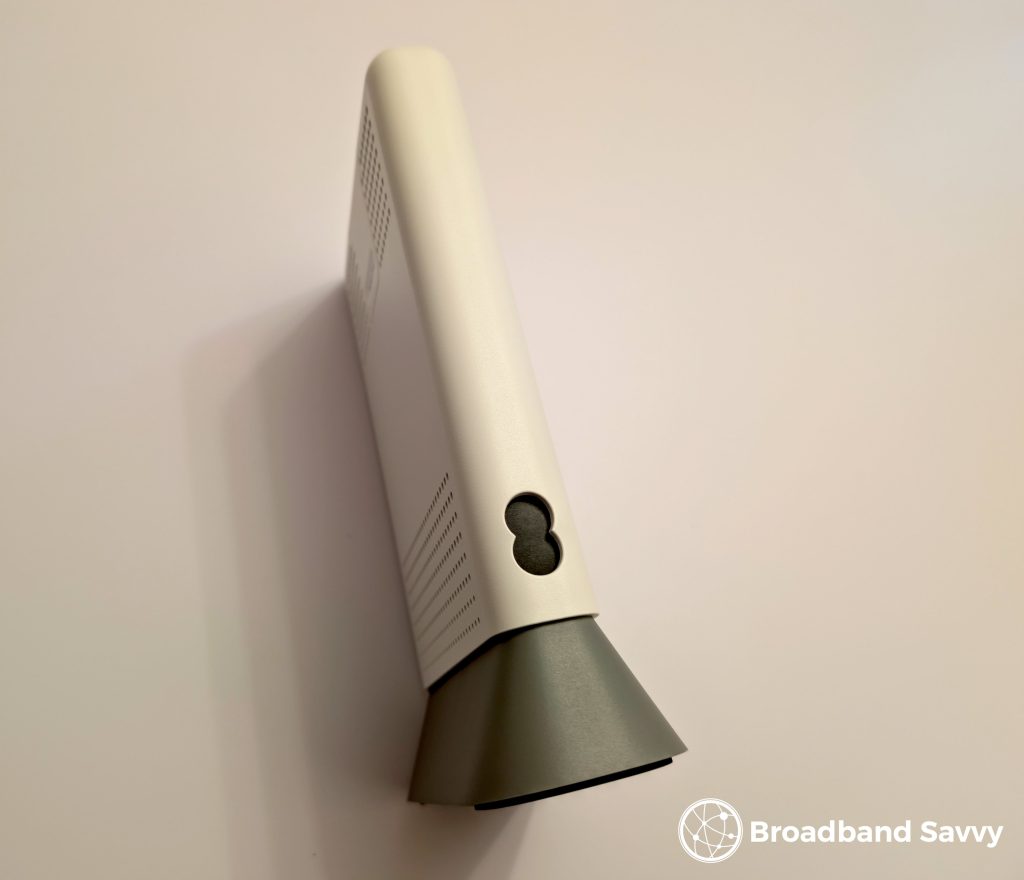
EE offers download speeds of up to 1.6 Gbps, making them one of the fastest widely available broadband providers in the UK right now.
When buying, just make sure to choose the “12 month” option to see the year-long deals – the button can be a bit hidden sometimes.
If you are planning on moving house in the near future, the good thing about EE’s wide availability is you can easily move address with them no matter where you are moving to, most of the time.
So, EE may be suitable on a 12 month or 24 month contract if you just want temporary broadband because you are moving house soon.
Pros
- Fast speeds.
- Great WiFi tech.
- Available throughout almost the entire UK.
Cons
- Minimum 12 month commitment.
5. Hyperoptic Broadband 1/12 Month Deals
Hyperoptic is another rare broadband provider that offers rolling monthly deals, plus 12 month and 24 month contracts as well.
This provider is smaller than the likes of BT and Virgin Media, and as a result, they have really good UK-based customer service, which pays quite close attention to each individual customer in our experience.
The reason we don’t rank them higher is their network footprint isn’t very big. It’s a lot smaller than Virgin Media’s for example, and is mostly focused on city centres.
However, if you can get Hyperoptic, they offer fast speeds, with symmetrical downloads and uploads, and their prices are quite reasonable as well – though the 30-day deals are a fair bit more expensive than the 24-month plans.
On the whole though, if you live in an urban area, we would definitely check the Hyperoptic website to see if you can get their short-term broadband deals where you live at the moment.

Pros
- 1 month deals available.
- Fast, symmetrical broadband plans.
- Great customer service.
Cons
- Can be expensive on a short-term basis.
- Only available in city centres and urban areas for the most part.
FAQs
I need a rolling monthly plan – which provider should I choose?
If you can’t commit to a broadband contract with at least a 12 month contract, your options are limited, but providers do exist that offer rolling monthly broadband deals.
In this situation, most of the time we recommend the Three 5G Hub (or their 4G Hub, if you can only get 4G signal at your address).
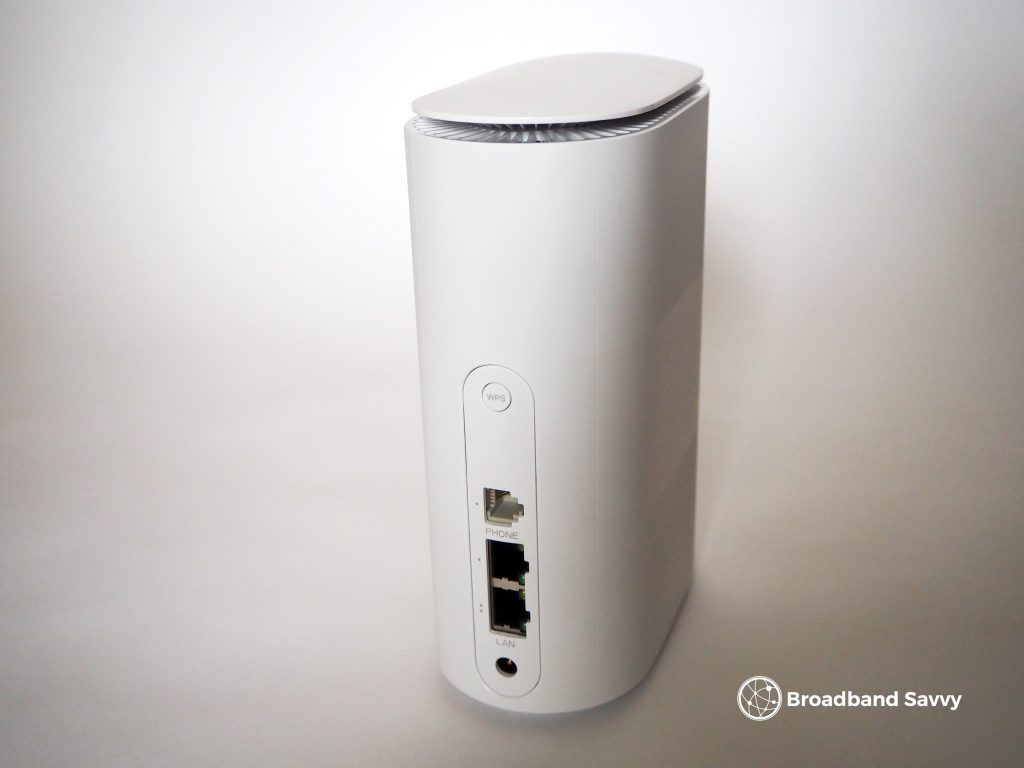
This device is usually available on a monthly rolling contract for a very reasonable price, while still offering plenty of bandwidth for most families.
If you want fixed-line broadband though, the only major providers that really offer 30-day deals are Hyperoptic and Virgin Media. And the problem with both of these companies is, they’re not available nationwide – Virgin even restricts which parts of their network can access the monthly rolling plans.
The other potential option you have if you’re looking for flexible broadband is to use a MiFi device, like Three’s 5G one.
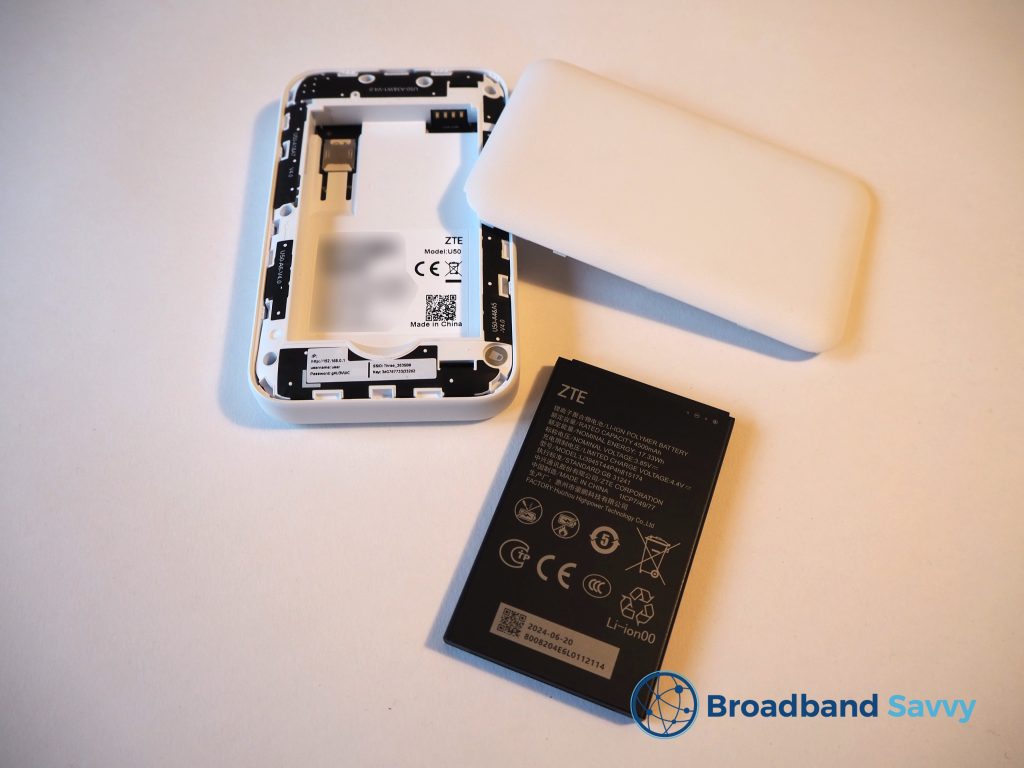
These gadgets use the mobile network to get you online, and can usually be bought on a very flexible pay as you go contract.
The only issue is, their WiFi signal and speeds aren’t as good as what a router offers, meaning MiFi is not the best choice for larger households.
What happens if I need to leave my contract early?
You can leave a broadband contract ahead of schedule, but you will need to pay a significant exit fee to do this.
Different broadband providers have different ways of calculating the exit fees they charge.
Usually, they take the remaining value of all the payments on the contract, and subtract a discount given the amount of money they will save by not providing a service.
You’ll also need to provide at least a month’s notice before leaving, potentially costing you a full extra month of the contract cost as well.
In the end, you will usually end up paying about 70-80% of the total value of the remaining payments if you decide to leave your broadband contract early.
If you have six months left on your contract and you pay £30 per month for example, your cancellation fee will be about £135.
You can use our calculator to get a better idea of the early termination fees you might have to pay.
Fibre broadband vs 4G/5G internet
You may have noticed that when looking for flexible broadband deals, 4G and 5G internet is often the cheapest way to get a short-term tariff.
This includes wireless home broadband products, such as 4G and 5G routers, as well as mobile broadband solutions such as dongles and MiFi devices.
If you haven’t used this type of internet tech before, you might be wondering if it offers what you need, and how it differs from fibre broadband.
Here are the main differences between the two technology types, and which wins in each category:
- Consistency: fibre wins. Speeds are more stable, though most families have no issues using mobile broadband at home.
- Maximum speeds: fibre wins. 1,000-2,000 Mbps or more compared to 30-40 Mbps with 4G or 300-500 Mbps with 5G.
- Latency: fibre wins. 10-12 ms normally compared to 30-40 ms with 4G or 5G, though this is only really a concern for online gamers.
- Cost: 4G/5G wins, especially if you want a monthly rolling contract.
- Ease of setup: 4G/5G wins. No need for an engineer visit to get started. You just need to insert the SIM card in the device, plug it in, and turn it on (and also put in the battery if using a MiFi hotspot).
- Flexibility: 4G/5G wins. Normally easy to find on a 30-day contract.
- Data limits: depends. Fibre never comes with data limits, 4G/5G MiFi deals sometimes do, but this is less common to see when buying a 4G/5G router plan.
In most cases, 4G and 5G internet works really well, even if you often stream video on TV or need to occasionally work from home.
Fibre is just a better choice if you have a lot of people online at home, or often make very large file downloads.
Are there any hidden downsides to short-term broadband contracts?
There are some potential downsides to buying a short-term broadband plan, but they are fairly minimal in most cases.
- Your choice of different providers will be quite limited, meaning you might miss out on getting a plan with the best possible WiFi router or other benefits.
- Your monthly costs may be higher.
- Your upfront costs may be higher.
- You cannot normally get ultrafast speeds of more than 500-1,000 Mbps.
If I move house, can I cancel my broadband plan?
You might be looking at short-term broadband because you plan on moving house in less than 12 months.
Technically, when you sign a broadband contract, you are expected to be committed to its full length, regardless of where you are.
If you move house to somewhere the company can service, your broadband contract will follow you, and your provider will get you set up at the new address.
However, though this varies from company to company, some providers will let you out of the contract free of charge if you move address to an area that they cannot service.
You need to be a bit careful if you plan on relying on this though, because providers’ policies in this area can vary quite a lot – so make sure to check the terms and conditions carefully before buying.
Related resources
Best 5G Home Broadband Deals UK | 5G Internet Plans
Discover the three best 5G home broadband deals in the UK in 2026. Find the best way to get online with 5G internet.

Student Broadband Deals Explained – University Discounts
Learn everything you need to know about university student broadband discounts in the UK. We explain whether these deals are worth buying.
5 Best Broadband And Anytime Calls Deals | Unlimited Data
Discover the UK's best unlimited broadband deals with anytime calls. We explain which providers offer unlimited broadband and calls.

Best Broadband And Mobile Phone Deals | Top 3 Bundles | UK
Discover the 3 best broadband mobile phone deals in the UK. Bundle broadband with a pay monthly phone or SIM deal - and save...

Tyler is the co-founder of Broadband Savvy. He has been helping people improve their broadband connectivity since 2018 by writing about fibre broadband and mobile broadband providers, as well as creating tutorials to help people improve their broadband speeds and Wi-Fi signal.
Tyler is responsible for the majority of buyer’s guides and broadband reviews published on Broadband Savvy. He has a wealth of experience testing and reviewing different broadband tariffs, including fibre internet plans, as well as 4G and 5G broadband deals. He is responsible for testing and evaluating Wi-Fi routers, performing speed and latency tests, and comparing the value for money of different broadband providers on the market in the UK.
Before co-founding Broadband Savvy, Tyler had a long history of tinkering with computers. He built his first PC at the age of 12, and since then, he’s become obsessed with all things networking and internet-related. He’s a massive gamer, loves Rocket League, and also plays Sunday League football.