
Historically, there were only two major broadband networks you could choose between in most parts of the UK.
There was Openreach, which is used by BT, Sky, Plusnet, NOW Broadband, Vodafone, and many other providers.
Then there was Virgin Media, which is sold through the company directly, and covers about half the country.
But over the past 10 to 15 years, large numbers of alternative broadband networks, known as altnets, have sprung up around the country.
In this guide, we’ve explained everything you need to know about altnets, and whether you should buy broadband from one.
Contents
What are altnets?
Altnets are private companies that have deployed their own fibre broadband networks in the UK, separate from Openreach, Virgin Media, and any other company’s infrastructure.
This means, while you can still access providers like BT or Plusnet, you might also have other options, depending on where you live.
Altnets can sell broadband directly, or as wholesale providers. And now, many of the major providers you have heard of before are using altnet infrastructure to service certain areas.
For example, Community Fibre sells broadband directly on their website. But you can also buy their service through Vodafone Broadband.
In areas that Community Fibre doesn’t have coverage, Vodafone still uses the Openreach network to service its customers.
There are also community organisations that have deployed full fibre broadband in certain rural areas on a not-for-profit basis, such as Broadband for the Rural North (B4RN).
Examples
Some of the larger altnets in the UK include:
- Netomnia (sold by YouFibre)
- Community Fibre
- CityFibre (sold by Vodafone, Sky, and others)
- Gigaclear
- Hyperoptic
- Be Fibre
- G.network
- toob
- Trooli
- Zzoomm
There are also companies specialising in servicing certain areas, such as:
- Cambridge Fibre
- Brighton Fibre
- Connexin (Hull)
- Fibrus (Northern Ireland)
To see all altnets currently live in the UK, view our broadband provider list.
Differences between altnets and traditional networks
1. Faster speeds (often)
Altnets are currently deploying the fastest broadband infrastructure in the UK.
With Netomnia (YouFibre) for example, you can currently get speeds of up to 8,000 Mbps. Likewise, Community Fibre offers up to 5,000 Mbps in the areas of London they cover.
However, older networks are slowly catching up – Openreach is planning to deploy speeds of five to 10 gigabits per second in the near future.
2. Lower prices
Currently, many altnets are trying desperately to gain market share, and as a result, their prices are often a lot lower than what the likes of BT and Virgin Media are offering.
Many altnets also offer plans with no mid-contract price rises, which isn’t the case with most of the incumbent providers.
3. Fewer add-ons
Altnets do not generally offer pay TV or SIM add-ons.
It is also relatively rare to see them offer bundled landline services as well, though some do – and even Virgin Media has removed this option in their new full fibre infrastructure areas.
4. Installation
When you buy broadband from an altnet, they will likely need to perform a bit of work to connect the last leg of their service from the street to your house.
This is not normally a difficult process – it usually involves an engineer visit, which takes about an hour or two, and you’ll need to be available for.
They may also survey the property ahead of the appointment, though you won’t need to be home for this.
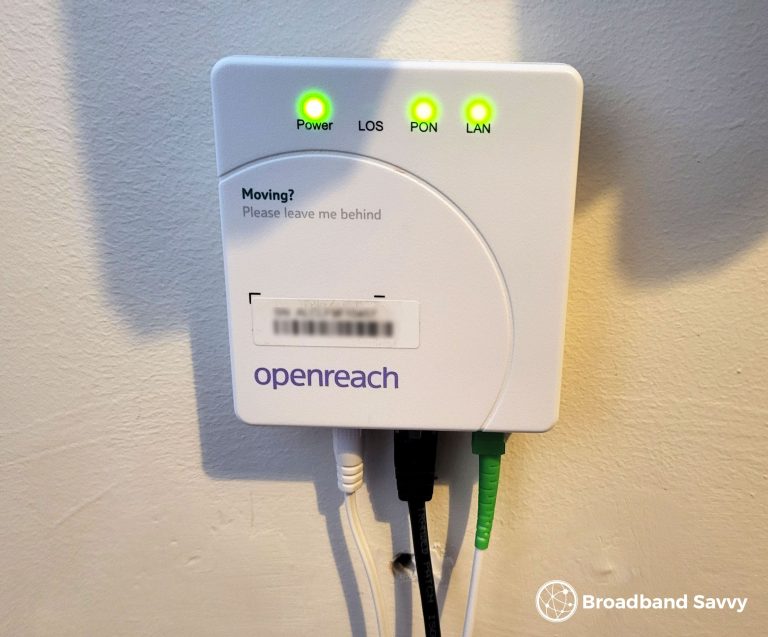
On the day, the engineer can usually use existing ducting to route the fibre optic cable to your house, rather than having to dig anything up. Then, they will install an ONT box on the inside of your property, which is what you plug your router into to get broadband service.
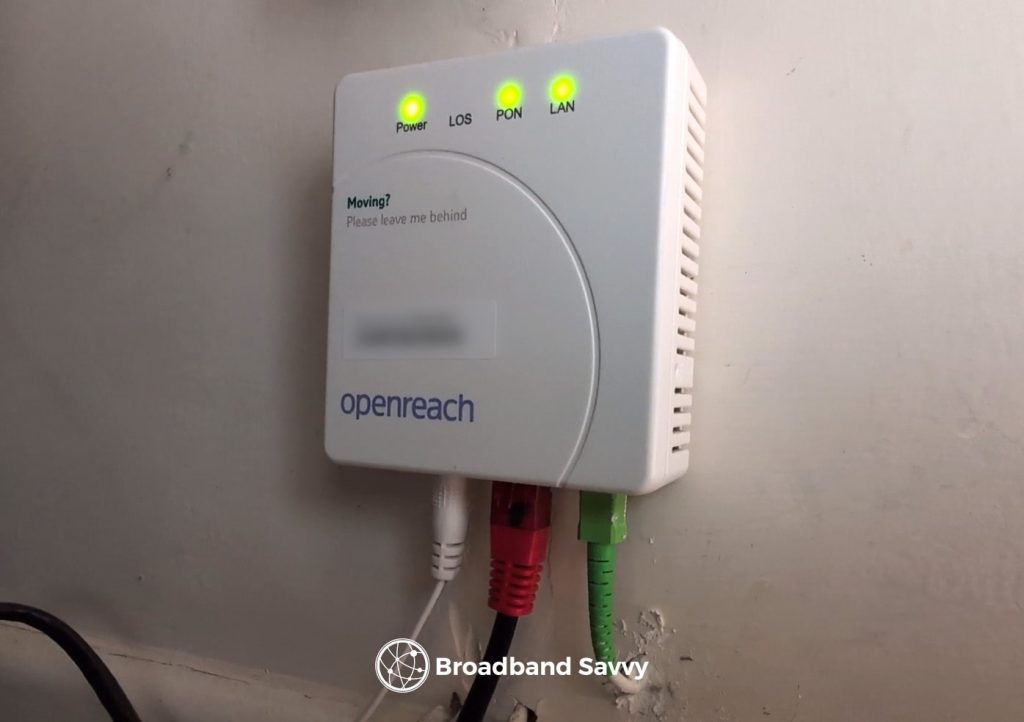
Note that this process is the same if switching to any broadband network for the first time at your address, including incumbent providers like Virgin Media.
5. Closer customer service (sometimes)
Many altnets are smaller companies, and as a result, you can sometimes get closer, better quality customer service from them compared to the incumbent ISPs.
Altnets usually have UK-based support teams, and because they have fewer customers to manage, it can feel like you’re not just another number.
However, this can vary massively from provider to provider. Some altnets are small enough that their customer support is not well developed or well organised, leading to a worse customer experience when issues arise.
Which altnets can I join?
No altnets currently have anything close to Virgin Media’s 58-60% coverage of the UK.
Therefore, the altnets you can join depend on where you live.
The main ones to check are:
- YouFibre
- CityFibre (through Vodafone or Sky – look for deals with symmetrical download and upload speeds)
- Community Fibre (if you live in Greater London)
- Fibrus (if you live in Northern Ireland)
- Hyperoptic (if you live in an urban area)
Apart from that, it’s a good idea to do some research on altnets available in your town, city or county to find other smaller providers that might be available.
Unfortunately, most of these companies do not appear on comparison websites, so you cannot rely on these tools to find altnets in your area.
Should I buy broadband from an altnet?
We think altnets are definitely worth considering if you’re looking for a new broadband deal, depending on the company.
They tend to offer very fast speeds, cheap prices, and good customer service, though this can vary from provider to provider.
Just ensure to check three things:
- The altnet’s reputation is good, especially when it comes to customer service.
- The plan offers the add-ons you need, if any.
- You’re getting a good WiFi router, unless you already have one you want to use – the quality of the router included can vary a lot from altnet to altnet.
If this all checks out, we would have no hesitation in joining an altnet, or buying a broadband plan delivered through altnet infrastructure.
Related resources

How To Switch Broadband Provider | 3 Steps Explained | UK
Learn how to switch broadband provider. We explain the process of changing to a different broadband provider from start to finish.
How To Haggle For A Better Broadband Renewal Deal
Learn how to haggle for a better deal and potentially save hundreds of pounds when renewing your broadband contract.
How To Get Fast Broadband When Renting
Learn what you can do as a renter to get fast broadband at home, when struggling to get permission to have fibre installed.

Tom is the founder of Broadband Savvy. He has nearly 10 years’ experience writing broadband tutorials, reviewing routers and internet service providers, and explaining broadband-related concepts. Tom is experienced as a writer, has appeared on national radio and in national newspapers, and also produces videos for the Broadband Savvy YouTube channel.
He currently specialises in writing content for Broadband Savvy designed to help people understand broadband jargon and terminology, increase their download and upload speeds, and improve their Wi-Fi connectivity. Tom also occasionally contributes to buyer’s guides and review articles on Broadband Savvy, utilising his knowledge of the broadband market in the UK.
When he’s not writing about broadband, you’ll find him hiking somewhere or playing on his Nintendo Switch.