
Contents
What are social tariffs?
Social tariffs are a special type of broadband deal available to those who cannot afford the full price of a regular broadband plan.
Ofcom encourages providers to offer these discounted deals for customers who need them, and BT and KCOM are legally required to offer social tariffs.
Compared to regular broadband deals, social tariffs:
- Usually have lower monthly costs.
- Don’t normally have upfront costs.
- Are often exempt from mid-contract price rises.
- Often come with slower speeds, but still tend to offer enough bandwidth for basic internet usage.
- Sometimes have shorter or more flexible contract lengths.
Social tariffs also require that you verify your eligibility with the provider before signing up.
Who can get a social tariff?
Eligibility varies slightly by provider, but if you are on one or more of the following types of support payments, you can usually get a social tariff:
- Universal Credit
- Pension Credit
- Jobseeker’s Allowance
- Employment and Support Allowance
- A Personal Independence Payment
Social tariff provider list
| Provider | Technology | Download speed | Webpage |
|---|---|---|---|
| 4th Utility | Fibre broadband | 30 Mbps | 4th Utility Social Tariff Webpage |
| B4RN | Fibre broadband | 1 Gbps | B4RN Social Tariff Webpage |
| BT | Fibre broadband | 36-67 Mbps | BT Social Tariff Webpage |
| Community Fibre | Fibre broadband | 35 Mbps | Community Fibre Social Tariff Webpage |
| Connect Fibre | Fibre broadband | 150 Mbps | Connect Fibre Social Tariff Webpage |
| Country Connect | Fibre broadband | 50 Mbps | Country Connect Social Tariff Webpage |
| County Broadband | Fibre broadband | 15 Mbps | County Broadband Social Tariff Webpage |
| EE | 4G/5G | Up to 25 Mbps | EE Social Tariff Webpage |
| FibreNest | Fibre broadband | 36 Mbps | FibreNest Social Tariff Webpage |
| Fibrus | Fibre broadband | 50 Mbps | Fibrus Social Tariff Webpage |
| G.Network | Fibre broadband | 50 Mbps | G.Network Social Tariff Webpage |
| Gigabit IQ | Fibre broadband | 100 Mbps | Gigabit IQ Social Tariff Webpage |
| GoFibre | Fibre broadband | Up to 30 Mbps | GoFibre Social Tariff Webpage |
| Grain | Fibre broadband | 15-30 Mbps | Grain Social Tariff Webpage |
| Hey!Broadband | Fibre broadband | 100 Mbps | Hey!Broadband Social Tariff Webpage |
| Highland Broadband | Fibre broadband | 100 Mbps | Highland Broadband Social Tariff Webpage |
| Hyperoptic | Fibre broadband | 50 Mbps-1 Gbps | Hyperoptic Social Tariff Webpage |
| KCOM | Fibre broadband | 30-50 Mbps | KCOM Social Tariff Webpage |
| Lightning Fibre | Fibre broadband | 50 Mbps | Lightning Fibre Social Tariff Webpage |
| NOW Broadband | Fibre broadband | 36 Mbps | NOW Broadband Social Tariff Webpage |
| O2 | 4G/5G | Approx. 30-300 Mbps | O2 Social Tariff Webpage |
| Quickline | Fibre broadband | 100 Mbps | Quickline Social Tariff Webpage |
| Sky | Fibre broadband | 35-150 Mbps depending on available infrastructure | Sky Social Tariff Webpage |
| SMARTY | 4G/5G | Approx. 30-300 Mbps | SMARTY Social Tariff Webpage |
| toob | Fibre broadband | 50 Mbps | toob Social Tariff Webpage |
| Truespeed | Fibre broadband | 30 Mbps | Truespeed Social Tariff Webpage |
| Virgin Media | Fibre broadband | 15 Mbps | Virgin Media Social Tariff Webpage |
| Vodafone | Fibre broadband | 73 Mbps | Vodafone Social Tariff Webpage |
| VOXI | 4G/5G | Approx. 30-300 Mbps | VOXI Social Tariff Webpage |
| WightFibre | Fibre broadband | 100 Mbps | WightFibre Social Tariff Webpage |
| Wildanet | Fibre broadband | 30-100 Mbps | Wildanet Social Tariff Webpage |
| YouFibre | Fibre broadband | 50 Mbps | YouFibre Social Tariff Webpage |
How to get a social tariff
To get a social tariff:
- Find a broadband provider available at your address that offers social tariffs from the list above. Providers such as BT, Sky, and Vodafone are available almost nationwide, while Virgin Media is also very widely available.
- Navigate to the provider’s social tariffs page on their website.
- Call the provider (usually there is a specific contact method on the webpage), and verify your eligibility for a social tariff. You will need to provide some personal details, such as your name and date of birth, and the provider will run a check with the Department for Work and Pensions (DWP) to verify your eligibility.
- Pay the first bill, set up a direct debit or other payment method, and the provider will begin provisioning your broadband connection.
When the initial term of the social tariff expires, which is normally after 12 or 24 months, you will need to verify your eligibility again.
You can also switch to a social tariff from a regular broadband plan with the same provider if you begin receiving benefits.
Usually, this is still possible even if you are in contract with a regular broadband deal right now.
If you are in contract and struggling to afford your monthly payments, it is a good idea to contact your provider to get support, even if you are not sure you are eligible for a social tariff.
I can’t get a social tariff but struggle to afford broadband
There are other ways to save money on broadband if you can’t get a social tariff, such as:
- Using 4G or 5G to get online.
- Switching to a cheaper altnet provider.
- Ensuring you’re only paying for the bandwidth you really need.
- Removing add-ons such as pay TV.
We have explained more about these methods in our broader guide to saving money on broadband.
Related resources
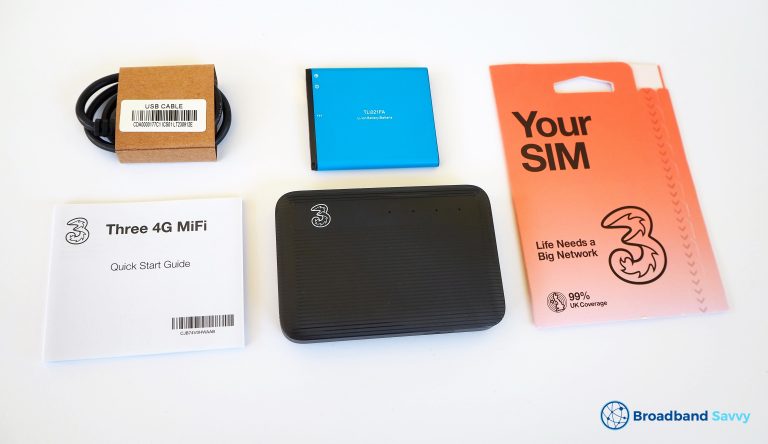
3 Best Simple, Cheap Ways To Get Online
Discover the best simple, cheap ways to get online. Find out how to access the internet using mobile data or a broadband social tariff.
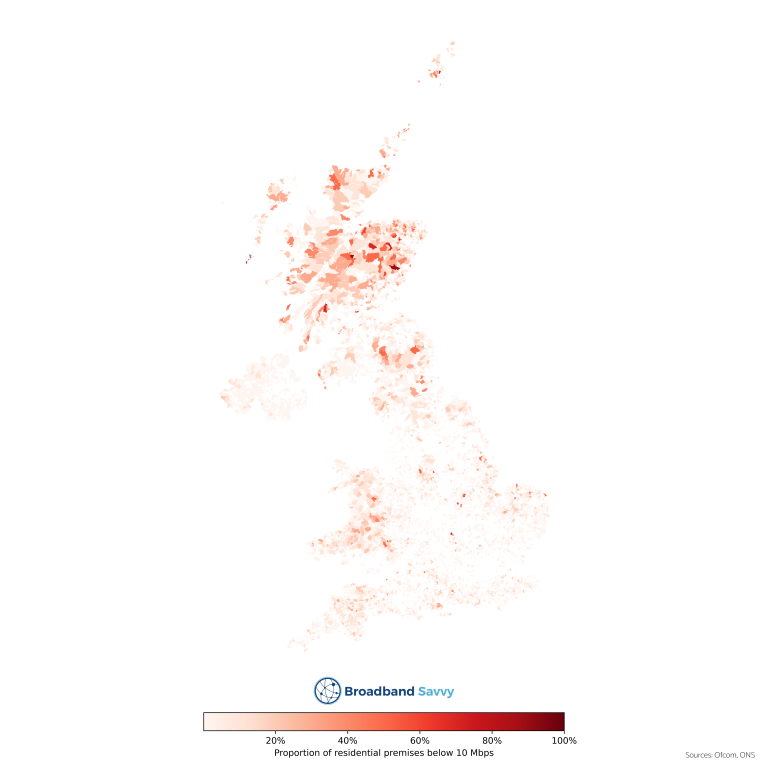
Report: UK’s Worst Broadband – Mapping Digital Exclusion
We map digital exclusion in the UK by assessing the proportion of households in each census area with download speeds lower than 10 Mbps.

Tom is the founder of Broadband Savvy. He has nearly 10 years’ experience writing broadband tutorials, reviewing routers and internet service providers, and explaining broadband-related concepts. Tom is experienced as a writer, has appeared on national radio and in national newspapers, and also produces videos for the Broadband Savvy YouTube channel.
He currently specialises in writing content for Broadband Savvy designed to help people understand broadband jargon and terminology, increase their download and upload speeds, and improve their Wi-Fi connectivity. Tom also occasionally contributes to buyer’s guides and review articles on Broadband Savvy, utilising his knowledge of the broadband market in the UK.
When he’s not writing about broadband, you’ll find him hiking somewhere or playing on his Nintendo Switch.